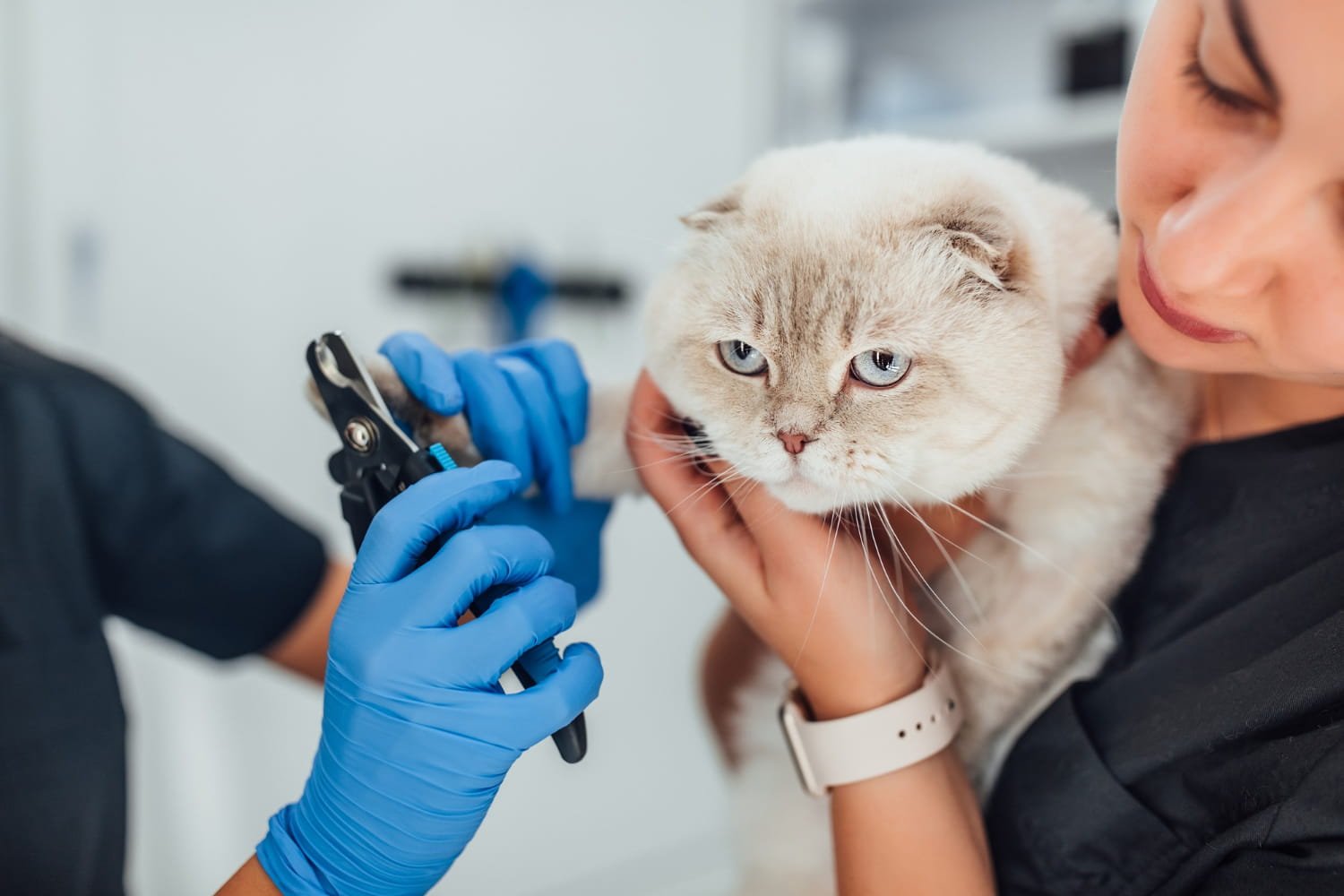
Cats are known for grooming themselves, but that doesn’t mean they don’t need help. Regular grooming improves coat health, reduces shedding, prevents hairballs, and strengthens your bond with your feline companion.
1. Start Slow and Stay Calm
If your cat isn’t used to grooming, begin gradually. Choose a quiet space and keep sessions short. Speak gently and reward with treats.
2. Brushing Basics
Brushing removes loose fur and prevents matting.
- Short-haired cats: 1–2 times per week
- Long-haired cats: Daily brushing
Use a soft-bristle brush or slicker brush depending on coat type.
3. Prevent Hairballs
Regular brushing reduces swallowed fur, minimizing hairballs. Special hairball-control diets and treats can also help.
4. Nail Trimming
Trim nails every 2–4 weeks. Use cat-specific nail clippers and avoid cutting the quick (pink part inside nail).
If unsure, consult a groomer.
5. Ear Cleaning
Check ears weekly for dirt or odor. Use a vet-approved ear cleaning solution and cotton pad. Avoid inserting objects deep into the ear canal.
6. Bathing (Only When Necessary)
Most cats don’t require frequent baths. Bathe only if:
- They are excessively dirty
- They have skin issues
- Recommended by a vet
Use cat-specific shampoo only.
7. Dental Hygiene
Dental health is often overlooked. Use feline toothpaste and a soft brush to prevent tartar buildup.
8. Watch for Skin Issues
While grooming, check for:
- Redness
- Bald patches
- Fleas
- Lumps
Early detection prevents major health issues.
Final Thoughts
Grooming is more than appearance—it’s about health monitoring and bonding. With patience and consistency, even nervous cats can learn to enjoy grooming sessions.